Last updated 2026-08-09
The effectiveness check auditors write up most
The short answer
A corrective action is not closed when the fix is made. It is closed when someone can show the fix worked: a stated expectation, a fair measurement window, a result checked against that expectation, and a named reviewer who confirmed it. That evidence, not the fix itself, is the piece auditors report missing most often. The same discipline applies to an ordinary decision nobody expected to need proving, not only to something that already went wrong.
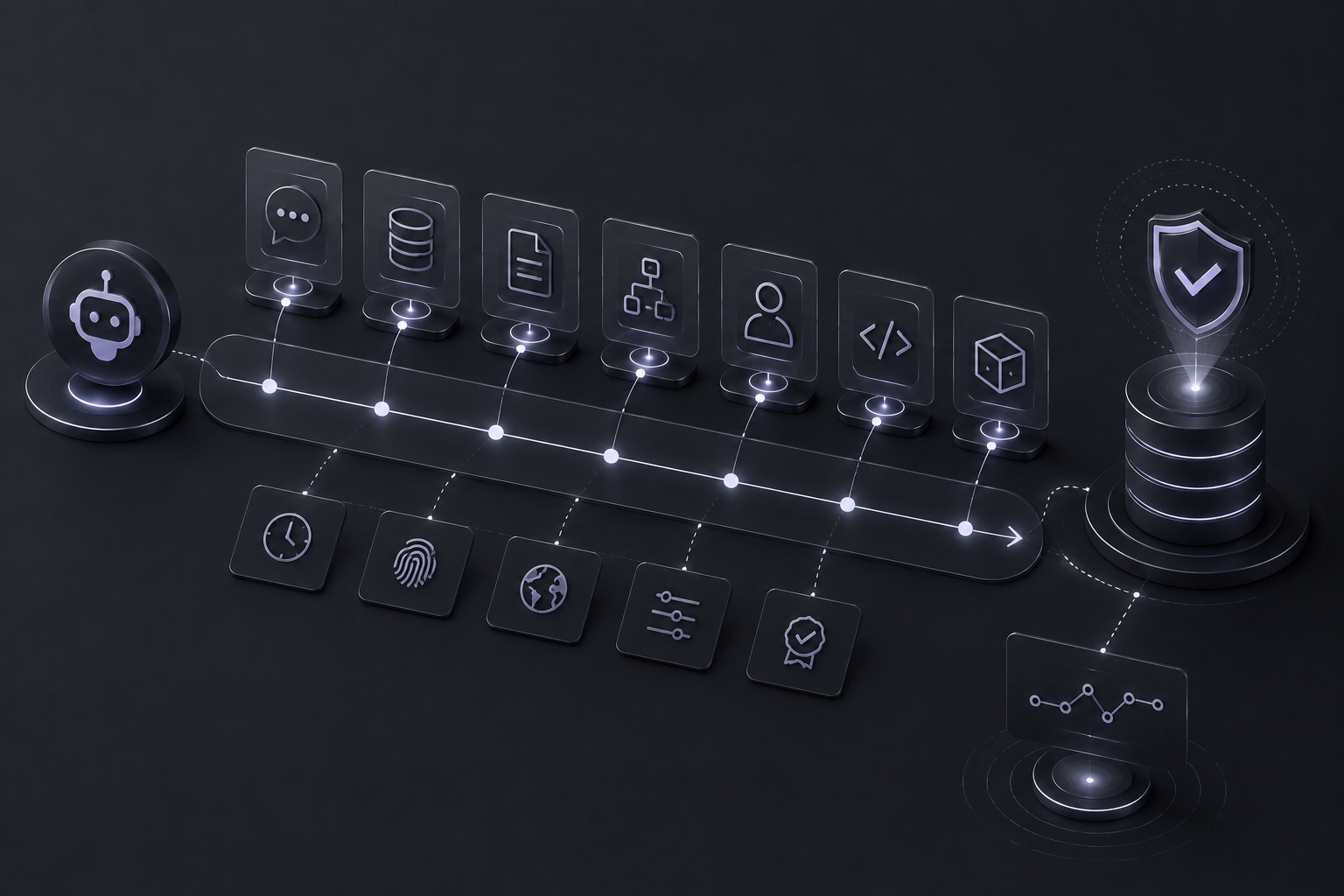
The fix is not the finish line
Something breaks, a root cause gets named, a corrective action gets logged, the fix goes in, and the file gets marked closed. Every step in that chain is real work, and none of it answers the one question a closed corrective action is supposed to answer: did it actually work? A fix that was never checked against what it was supposed to achieve is a hope with a reference number, not a closed action.
The finding auditors write up most
ISO 9001 does not ask only for a fix. It asks organizations to review whether the corrective action was effective and to keep documented evidence of the result, not just the decision to act. In practice, that is the line most often missing when an auditor reads the file: the nonconformity is described well, the fix is described well, and the evidence that anyone checked whether it held is simply not there. It is consistently among the most commonly written findings in a management-system audit, not because the fix was usually wrong, but because nobody wrote down how they knew it was right.
What good effectiveness evidence looks like
Four things need to be present at the time, not reconstructed afterward for the file.
- The expected effect, stated when the action is taken, not once the result is already known.
- A measurement window, agreed in advance, so effectiveness is not judged on whichever day suits the answer.
- The result, measured the same way the expectation was framed, so the comparison is real rather than approximate.
- A named reviewer, someone other than the person who implemented the fix, confirming the result against the expectation.
A file missing any one of the four is missing the part an auditor is trained to look for.
The same discipline, before anything breaks
None of this is specific to failures. An ordinary decision, a process change, a new supplier, a revised procedure, deserves the same four things, and most organizations only apply them after something has already gone wrong. Recording an expected effect before the outcome is known, then checking it afterward the same way, is the identical discipline whether the decision started as a nonconformity or as a normal choice nobody expected to need proving later. Applied earlier, it is what keeps a corrective action from being needed as often.
What this is, and what it is not
Almanexa is not a quality management system, and it certifies nothing. What it keeps is the evidence a real effectiveness check needs: the expectation stated at the time, the outcome measured against it, and a named person's review, on a record that cannot be edited after the fact to look more convincing than it was. Your quality system still decides what counts as effective and still owns the audit relationship. This is where the proof that a decision was checked, and not just made, actually lives.
See what decision memory is, or read about the record as an asset your organization owns.
Questions we hear
- What counts as effectiveness evidence?
- Four things, all present at the time rather than reconstructed later: the expected effect stated when the action was taken, a measurement window agreed in advance, the result measured the same way, and a named reviewer who checked it against the expectation.
- How long should the verification window be?
- It depends on what the action was meant to fix, and there is no single right answer. What matters is that the window is agreed and recorded before the measurement happens, not chosen afterward once a convenient result is already visible.
- Does this replace our quality system?
- No. Almanexa is not a quality management system and certifies nothing. It keeps the record an effectiveness check needs, the stated expectation, the measured result and a named review, so your existing quality system has real evidence to point to.